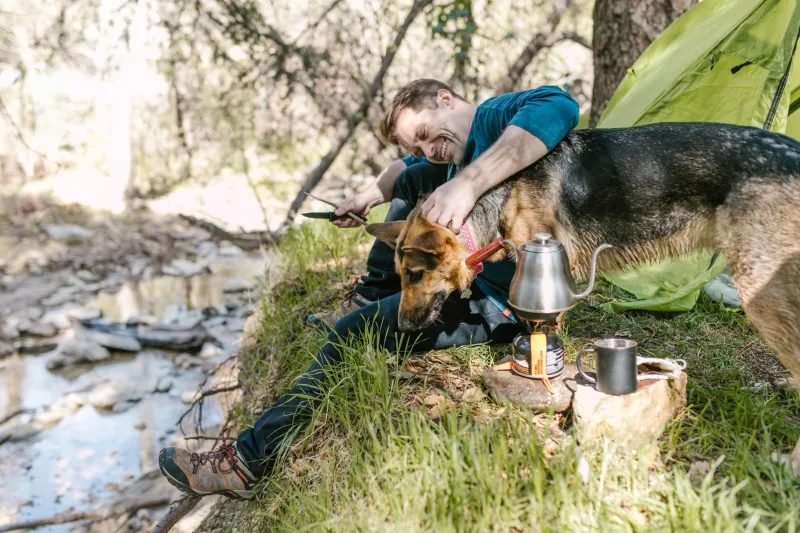
Canvas for One, Carpet for the Other: A Tipi Weekend Survival Guide for Mismatched Couples
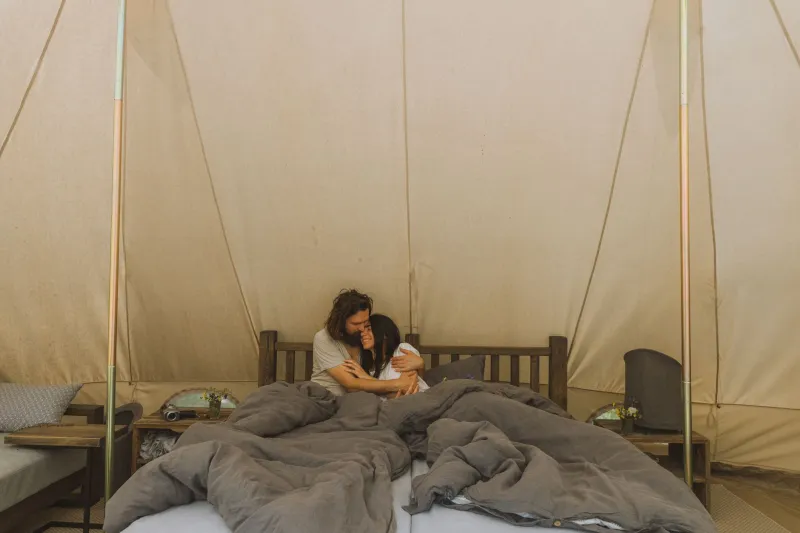
Start with the honest conversation
One of you loves the idea of canvas, wood smoke and a sunrise walk. The other loves carpets, a hot shower and not being cold at 3am. Neither is wrong. The mistake is pretending the mismatch does not exist and booking a bare-bones tipi in the hope that love will do the rest.
Before you book, say the non-negotiables out loud. A real bed. Heating. Bathroom access that does not involve a head torch and a prayer. A pub within walking distance. A plan for wet weather. Once those are agreed, the weekend can be adventurous without being an endurance test.
Choose a tipi with hotel habits
Look for a tipi that sleeps on proper mattresses, not airbeds that deflate by midnight. Check whether there is a wood burner, a hot water bottle, an electric blanket or underfloor heating. Ask about the bathroom: is it private, shared, how far, and is it heated? A short walk to a warm bathhouse is fine. A long walk across a dark field is not.
Also check the small things that make a difference: bedside lights, a kettle, a place to hang wet coats, and a covered cooking area. Off-season glamping works when the tipi is comfortable enough to spend an afternoon in. If the only seating is a log by the fire, the carpet lover will notice.
Pack like a team, not like rivals
The outdoor partner usually overpacks kit and underpacks comfort. The hotel partner usually overpacks nice things and underpacks waterproofs. Meet in the middle.
One bag each. Thermals, wool socks, slippers, a hot water bottle, a decent bottle of wine, a book, an eye mask, and a torch. Bring a small rug or a throw if the site allows it. Bring cash for the pub and a thermos for the morning. Do not bring a full camping stove if the site has a kitchen. Do not bring a hairdryer unless you have checked the power. The goal is not to rough it. The goal is to be cosy enough that the adventure feels optional.
Plan a walk that does not feel like a punishment
The outdoorsy partner wants a ridge. The other wants a reason to stop. Choose a low-effort walk with a reward: a village loop with a pub, a riverside path with a cafe, a nature reserve boardwalk, a woodland trail with a bench. An hour is plenty. Two hours is a bonus. Anything that involves the words brisk and exposed should be saved for another trip.
Agree the turnaround point before you leave. If it starts raining, turn back. If someone is tired, turn back. The walk is not the point. The point is being outside together without anyone feeling dragged.
Have a pub backup plan
Book dinner for both nights if you can. Know the taxi number. Check the pub is open on the days you are there, especially in November. A roaring fire and a plate of chips can rescue a wet afternoon better than any inspirational quote about embracing the elements.
If the weather is truly grim, give yourselves permission to abandon the walk. Drive to a market town, visit a castle, sit in a cafe. The tipi is the base, not a test.
Split the planning so nobody feels dragged
The outdoorsy partner should handle the kit list, the route and the firewood. The comfort-loving partner should handle the pub bookings, the food, the bathroom check and the backup plan. Share the packing. Share the driving. Nobody should be in charge of everyone's fun.
On arrival, set up together. Make the bed, light the fire, put the kettle on. Claim a side each. Put the torch by the door. Then walk to the pub while it is still light so you both know the way back.
The weekend rhythm that works
Arrive before dark. Unpack. Walk to the village for a pint and a look at the menu. Come back, light the fire, cook something simple or eat at the pub. Sleep. Lazy morning. One short walk. Lunch. Nap. Fire. Repeat.
The mismatched couple's tipi weekend is not about converting anyone. It is about compromise: a real bed under canvas, a pub at the end of the path, and enough comfort that the carpet lover might just suggest doing it again. In 2026, that counts as a romantic victory.