Sleep on It Before You Say I Do: A Tipi Wedding Trial Night for Two
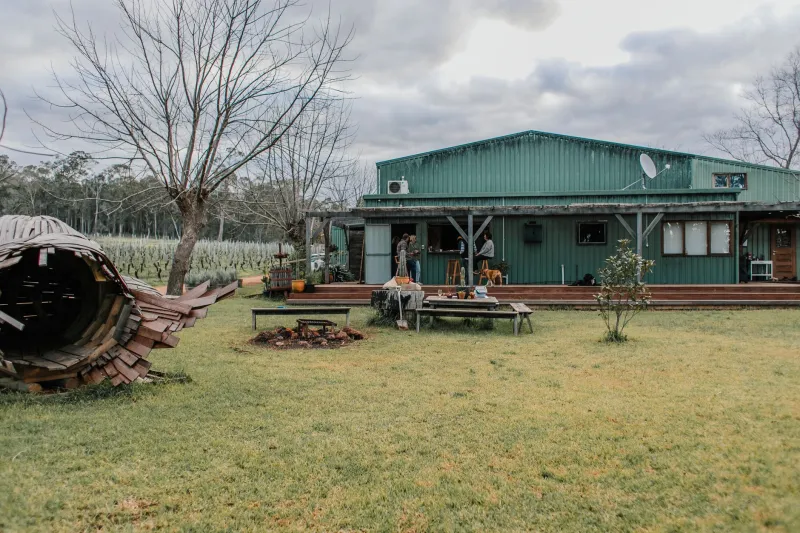
There is a particular look that comes over couples midway through wedding planning. It is part excitement, part spreadsheet fatigue, and it usually appears somewhere between the third venue brochure and the second quote for a marquee. If you are considering a tipi wedding, there is a gentler way to make the decision: book a night in one first. Not a site visit with a clipboard, not a hurried tour between other appointments, but an actual stay. Arrive with an overnight bag, light the fire, sleep under the canvas, and see how the space feels when nobody is selling it to you.
Arrive as guests, not as inspectors
The trick to a useful tipi trial is to resist turning it into a survey. Yes, you will notice things. That is the point. But the best observations arrive sideways, usually when you are doing something ordinary — wrestling a cork out of a bottle, hanging a damp coat on a hook, trying to find the loo in the dark with a torch. Treat the stay as a mini-break first and a reconnaissance mission second. The questions will still get answered, only in a more honest order.
A one-night stay is usually enough. Two is better if you can manage it, because the second morning tells you how you feel after a proper sleep rather than a novelty night. Choose a site with a similar setup to what you are imagining: canvas size, firepit, maybe a small outdoor cooking area. If your wedding plans include 80 guests, a two-person hideaway will not tell you everything about capacity, but it will tell you plenty about atmosphere, sound and the realities of a British weather plan.
The 4pm walk-through
Arrive in daylight and walk the space as if your guests were already there. Where would the long table go? Where does the light fall at the time you plan to say your vows? Is there a natural spot for a drinks table that does not block the route to the fire? In a tipi, the shape of the canvas does a lot of the decorating for you. The curve of the walls, the height of the central poles, the way the opening frames the view — these are the details that make a wedding feel settled rather than staged.
Look at the ground, too. Is it level? Does it drain? Would heels disappear into it in a wet spell, and is there a plan for boards or matting? These are not glamorous questions, but they are the ones that stop a beautiful day from becoming a muddy one. A trial stay gives you permission to poke about in a way that a formal venue tour rarely does.
Listen to the canvas
One of the most useful things you can do is simply sit still and listen. Canvas has a voice. In a light breeze it is a soft, rhythmic flap; in heavy rain it becomes a drum. Some couples find that deeply romantic. Others discover they would rather have a solid wall behind the band. Either reaction is useful. Spend ten minutes in silence, then put some music on. How does sound travel? Would speeches carry to the back of the space, or get swallowed by the fire? If you are planning a playlist rather than a live band, does the canvas soften it in a way you like?
If rain is forecast — and this being the UK, it often is — consider it a bonus. A wet night in a tipi is the most honest test you can get. You will learn whether the fire keeps the chill off, whether the sound of the rain is cosy or conversational, and whether your planned layout has a sensible indoor backup. A wedding tipi is not a tent in the festival sense, but it still lives outdoors. The more you understand that relationship before the big day, the calmer you will feel when the forecast starts shifting.
The overnight comfort test
This is where a trial stay earns its keep. Wedding tipis are usually dressed for a party, not for sleeping, but many glamping sites offer furnished stays that give you a feel for the overnight experience. Notice the temperature. Does the wood burner take the edge off, and how long does it last? Are the beds genuinely comfortable, or merely photogenic? Is there a torch by the door, a hook for a coat, a sensible place to put wet boots? These small practicalities are exactly what your guests will notice at 11pm after a few glasses of something fizzy.
Pay attention to the walk to the facilities, too. In daylight it is a charming amble across the grass. In the dark, in the rain, in a long dress or a pair of smart shoes, it is a different journey. A good site will have thought about this. If you are planning a tipi wedding, ask how lighting, signage and paths will work after sunset. A trial night gives you a gentle preview of the answer.
The morning-after perspective
There is a particular calm to a tipi morning. The fire has burned low, the canvas is pale with light, and the field outside is doing its quiet, dewy thing. Make a coffee, sit by the opening and ask each other the simple question: could we see ourselves getting married here?
Not the whole wedding, necessarily. Just the feeling of it. The space, the light, the sound of the weather. If the answer is a relaxed yes, you have learned more than any brochure could tell you. If it is a hesitant maybe, you have learned something just as valuable — and you have still had a lovely night away.
Book it like a mini-break
When you enquire, explain that you are considering a tipi wedding and would like a trial stay. Many independent sites are happy to talk through capacity, power, catering access and wet-weather plans. Keep the questions for breakfast rather than check-in. Arrive curious, leave notes if you must, but let the stay do its work first. The best wedding decisions are made with your shoulders down, and a night under canvas has a way of lowering them. Book the trial, light the fire, and see what the canvas tells you.