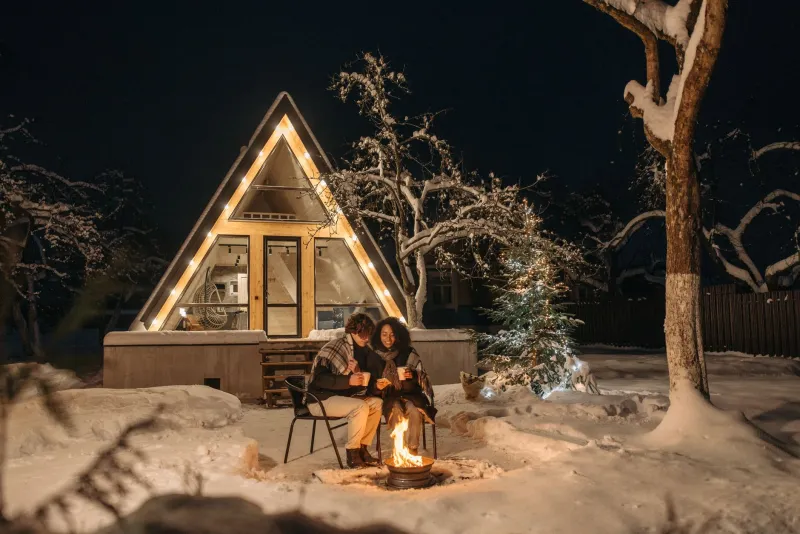
Dry Logs, Steady Hands: Running a Tipi Wood Burner Through a Frosty Night
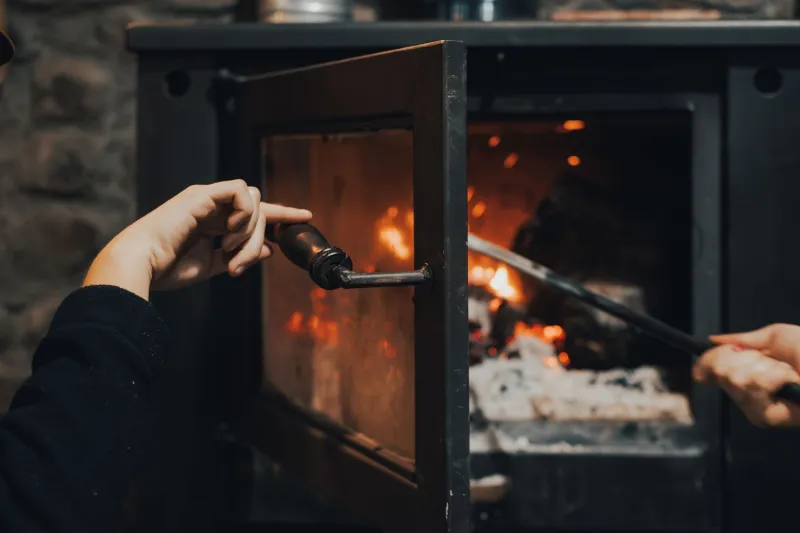
The first time you meet a tipi wood burner on a cold November evening, it can feel less like an appliance and more like a small iron animal with opinions. It ticks. It sighs. It sulks if you close the wrong vent. But learn its moods and you get something no hotel radiator has ever managed: proper, wood-scented warmth while the frost draws patterns on the canvas.
Below is the routine we would teach a first-timer at the start of the 2026 off-season—practical enough for a genuinely frosty night, relaxed enough for a couple’s weekend.
Begin with the wood, not the fire
A wood burner is only as good as what you feed it. Look for logs with a moisture content below 20 per cent; kiln-dried hardwood is the easy, reliable choice. Ash, oak and birch all burn well, and birch gives you a pleasant, bright flame without too much fuss. Avoid freshly felled wood, painted or treated timber, and anything that has been sitting in a damp log store since last winter. If a log hisses at you, it is not ready.
Store your logs outside under cover, then bring in only a day’s worth to dry off near—but not against—the stove. A small basket beside the hearth looks romantic and keeps the fire fed without a midnight expedition to the log store.
The damper is a conversation, not a switch
Newcomers tend to treat the air controls as an on-off button. They are more like a conversation. When the stove is cold, open the primary air underneath and the secondary air above, then light the fire and let it establish. Once the flames are steady, start easing the controls down.
What you want is a stove that is breathing: bright flames, a clean burn, no thick smoke pouring out when you open the door. Shut everything down too early and you get a sullen, smouldering fire that coats the glass and the chimney with creosote. A little trial and error is normal. The stove will tell you what it thinks.
Light it upside down
The top-down method feels wrong the first time and then becomes second nature. Put two or three larger logs on the grate, add kindling on top in a loose criss-cross, and place a natural firelighter at the very top. Light that, leave the door slightly ajar for a few minutes, and let the draught do the work. It is cleaner, less smoky and far less dramatic than a pyramid of kindling and a box of matches.
Skip the paraffin and the firelighters that smell like a petrol station. You are going to be sitting in this space for hours; let it smell of woodsmoke and nothing else.
Feed little, feed often
A common mistake is to load the stove like a furnace and then wonder why the tipi has turned into a sauna with a smoke problem. Two small logs at a time is usually plenty. Use gloves, use the spark guard, and keep bedding, cushions and damp coats a sensible distance away. A steady rhythm of small additions gives you a gentler, more controllable heat than one heroic blaze.
The overnight question
This is where first-timers lose their nerve. The temptation is to fill the stove to the brim and slam every vent shut before bed. Please don’t. A completely closed-down stove can smoulder for hours, producing smoke and creosote rather than useful warmth.
Instead, add one or two larger logs, let them catch properly, then reduce the air until the fire is calm but still alive. Leave the vents open a crack. Keep a high vent or window slightly open for fresh air—canvas needs to breathe, and so do you. Know where the carbon monoxide alarm is, never block a vent, and never sleep with the stove door open. A hot water bottle and an extra blanket are not defeat; they are good planning.
Canvas has a personality
A tipi is not a sealed box. The canvas breathes, which is part of its charm and part of its challenge. Warm the space gradually rather than trying to bake it, or you will simply move the condensation from the walls to your sleeping bag. Keep bedding clear of the flue and the stove itself, and resist the urge to pile everything against the nearest hot surface.
A tipi is not a sauna with a view. It is a tent with a heartbeat, and the trick is to work with it rather than against it.
The morning after
Let the stove cool before dealing with ash—really cool, not just no-longer-flaming. Use a metal ash can, never a bin bag, and keep the gloves on. If there are embers left, you can often coax a morning fire back to life with kindling and a little patience. Open the vents, make tea, and enjoy that particular smugness of a couple who kept the canvas cosy while the field outside went white.
The two-person method
Every successful tipi couple develops a division of labour. One becomes Keeper of the Damper; the other becomes Fetcher of Logs. You may disagree about whether the vent should be open another centimetre. You may discover that one of you is a secret pyromaniac and the other is a worrier. Agree a policy before bed, stick to it, and remember that the couple who agrees on the damper stays warm together.
Get the basics right and the wood burner stops being a test of nerve. It becomes the heart of the evening: the glow on the canvas, the smell of dry ash, the small ritual of one more log before bed. That is the whole point of an off-season tipi break—not roughing it, but slowing down enough to enjoy the warmth properly.