No Signal, No Rush: A Couple’s Guide to a Phone-Free Tipi Weekend
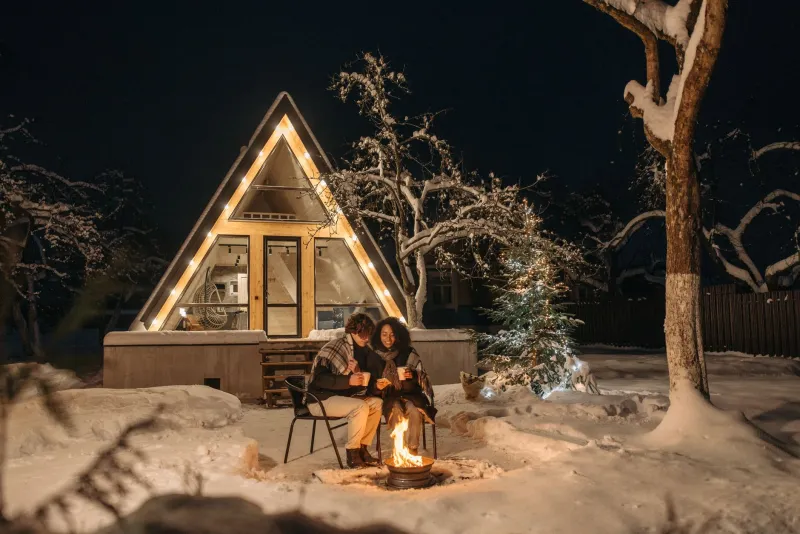
There’s a particular kind of quiet that arrives when the only notification is a log shifting in the fire. A tipi weekend can offer that almost by accident — poor signal, a long walk back from the pub, the simple fact of having muddy hands — but a proper digital detox takes a little more thought. This isn’t about throwing your phone in a lake and delivering a lecture about mindfulness. It’s about giving yourselves a short, realistic break from the scroll and seeing what fills the space.
Start with the site, not the sermon
Before you book, check the practical stuff. Ask the host about Wi-Fi and mobile signal. Some tipi sites are deliberately off-grid; others have a decent 4G signal if you stand by the gate and hold your arm at the correct angle. Neither is wrong, but know what you’re walking into. A meadow in the Yorkshire Dales or a quiet corner of the Sussex Weald will do more of the work for you than any app blocker.
Off-season weekends are especially good for this. The days are shorter, the fire is more inviting and there’s less pressure to be out doing something Instagram-worthy. You can lean into the cosy version of a tipi break: early dark, long breakfasts, a walk before lunch and nowhere to be afterwards.
Make a plan you can actually keep
A digital detox works better when it has edges. Decide together whether you’re going phone-free for the whole weekend, just the evenings, or a full 24 hours. Tell the people who need to know — work, family, whoever is looking after the dog — and set an auto-reply if it helps you switch off. Screenshot your travel details before you leave, then let the phone go.
It’s also worth agreeing a sensible emergency plan. One phone can stay in a locked glovebox or a tin, switched off, for genuine what-ifs. That isn’t cheating; it’s just being grown-ups. The point is to stop the casual checking, not to pretend the outside world has vanished.
And give yourselves a bail-out clause. If one of you finds the first evening genuinely miserable, say so. A digital detox shouldn’t become a relationship test with a scorecard. The best version is a shared experiment, not a moral high ground.
Pack for the hours, not just the bed
Think about what you’ll actually do when the phone isn’t there. Warm layers, waterproofs, a head torch and a flask are a good start. Then add the low-tech entertainment: a pack of cards, a cribbage board, a few dice, a paperback, a sketchbook, a paper map of the local footpaths. A small Bluetooth speaker is fine if you want music, but download a playlist before you go and leave the phone in the car.
A paper map is particularly useful. Not because you must navigate by compass and instinct, but because it slows you down. You unfold it on the table, trace a route with a finger and notice the names of woods and hills you’d otherwise scroll past. It’s also a good excuse to ask the host where the best short walk and the nearest good pub are.
The first evening is the oddest
Expect a wobble. You may reach for your pocket out of pure habit. You may find yourselves discussing the fact that you’re not on your phones, which is its own form of distraction. Put both phones on airplane mode and into a tin or bag, ideally somewhere out of arm’s reach. Then give the evening a job: light the fire, unpack the food, open a bottle, get dinner going.
Fireside cooking is a gift here. A one-pot chilli, baked potatoes in foil, sausages in a pan, bananas with chocolate tucked inside — none of it needs a screen. The cooking becomes the entertainment, and the washing-up becomes a conversation. If the weather turns, so much the better. Rain on canvas is one of the great free soundtracks.
Walk, eat, repeat
A phone-free weekend doesn’t need a packed itinerary. A gentle loop walk, a pub lunch, a slow afternoon with a book and an early fire is plenty. If you’re in the mood for something more ambitious, pick a route you can finish before dark and take a torch anyway. The countryside is lovely; it is also uneven, muddy and occasionally confusing.
Back at the tipi, keep the rhythm simple. Tea in the morning, a walk after breakfast, something warm for lunch, a nap if the mood takes you, then the fire again. The lack of variety is the point. By the second day, you may find you’re talking in longer sentences and noticing things you’d normally miss — the smell of woodsmoke, the way the light goes, a bird you can’t identify and spend ten happy minutes arguing about.
Games that don’t need a screen
A pack of cards will cover more ground than you think. Cribbage, rummy, gin rummy, a simple game of snap if the mood is silly. Dice games are good because they don’t require a table. Twenty questions, would-you-rather, or a very unscientific quiz about your first year together can fill an hour by the fire.
If conversation stalls, don’t panic. Silence under canvas is not a failure. Bring a book. Stare at the flames. Make another cup of tea. The pressure to be constantly entertaining each other is often just another habit we’ve picked up from being online. Let the quiet do its thing.
A gentle return
On the last morning, try to keep the phones off until after breakfast. Pack slowly. Drive home with the radio off for the first twenty minutes if you can. Then decide on one small thing to keep: phones in a drawer during dinner, a walk without a podcast, a Sunday morning that starts with tea rather than email.
That’s the realistic version of a digital detox. Not a personality overhaul, not a smug retreat from the modern world — just a short, kind reset under canvas. The point isn’t to prove you can live without a phone. It’s to remember what’s there when you look up.