Grey Monday, Golden Fire: The Mid-January Tipi Reset for Two
There is a particular kind of grey that settles over Britain in mid-January. The fairy lights are down, the last of the stollen has gone stale, and the third Monday of the month has been branded — mostly by people trying to sell something — as the gloomiest day of the year. But here's a quiet counter-argument: that same Monday is one of the smartest times to disappear into a tipi with someone you like.
Not because you need a wellness overhaul or a structured reset. Not because January demands a new you. Simply because the countryside is empty, the rates are gentler, the sun clocks off early and the fire has never felt better. A mid-January tipi break for two is less a cliché and more a well-kept secret.
Why the third Monday works in your favour
Think about what you actually want after Christmas. Not a bright, busy schedule. Not a spa reception desk and a robe that never quite fits. You want permission to do very little. Mid-January gives you that on a plate.
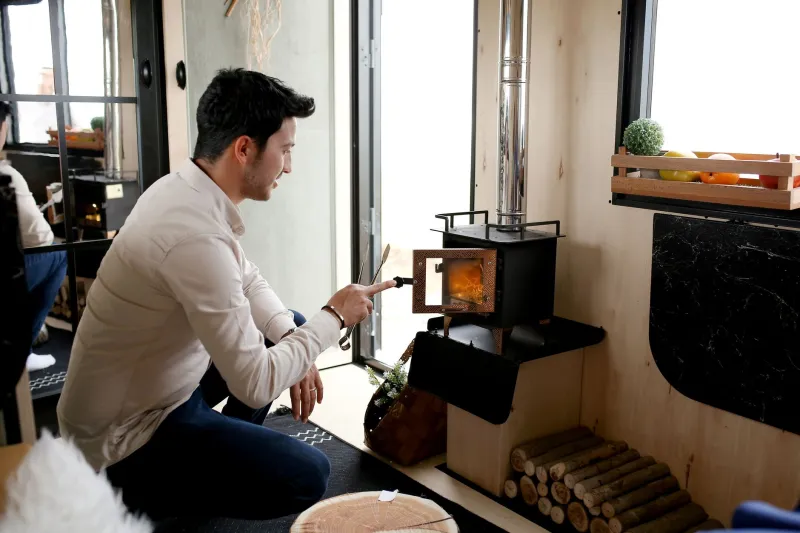
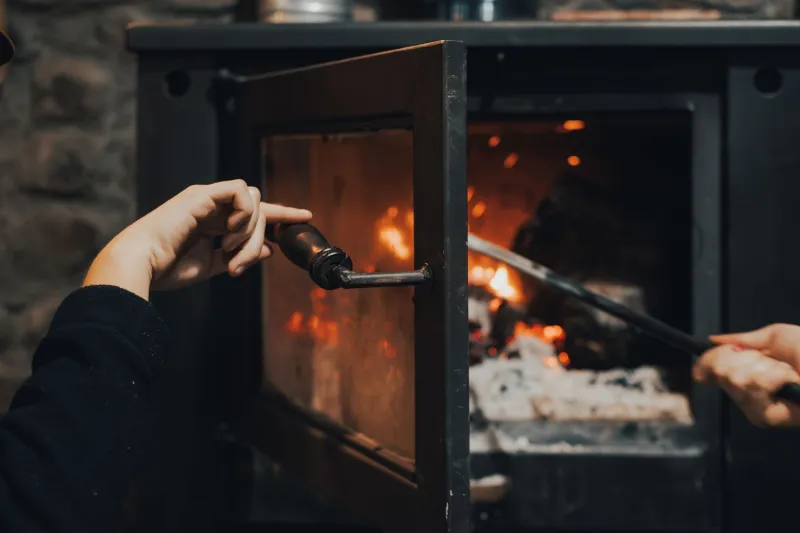
The villages are quiet. The pubs have their fires lit and their winter menus still on. Footpaths that were churned to soup over New Year have settled into a frosty hush. Sunset arrives around half four, which sounds melancholy until you realise it is an invitation: be back in canvas by dark, wood burner ticking, something simmering on the hob, nowhere else to be.
There is also the matter of cost. Off-season tipi stays tend to be kinder to the wallet than peak autumn weekends, and far kinder than a January hotel spa break with its inflated packages and compulsory treatments. You can spend the difference on a proper pub lunch, a bottle of something local and an extra bag of logs.
The village green versus the hotel spa
A hotel spa in January is not a terrible thing. But it is a very managed kind of rest. You book a slot. You wear the robe. You sit in a room with other people who are also trying to look relaxed. It can feel less like an escape and more like a schedule with scented candles.
A tipi on a village green is different. It is not trying to distract you from January; it lets you enjoy it. You hear the church clock. You see dog walkers in the lane. You can walk to the local for a pint and walk back under a sky that is properly dark by six. The canvas smells of woodsmoke and the bed is warm because you made it that way. There is a satisfying, old-fashioned competence to it that no spa treatment quite replicates.
And for couples, that matters. A tipi break asks you to talk, to tend the fire together, to share a blanket and a torch and a slightly uneven path back from the pub. It is romantic in a low-key, practical way — the kind that tends to stick.
How to book around the gloom
A few small decisions make a mid-January stay much better than a damp shrug.
First, book direct where you can. Ask about wood supply, firelighters and whether the wood burner is already laid. Ask what the lane is like in frost and whether wellies are needed for the short walk to the tap. These are not fussy questions; they are the difference between a cosy two nights and a character-building one.
Second, arrive before dark if possible. In mid-January that means early afternoon, not teatime. Settling in while there is still a pale light in the sky is far nicer than fumbling with a headtorch and a damp bag at five o'clock.
Third, check the local pub's winter hours. Many village locals go quiet on Mondays and Tuesdays, and you do not want to pin your evening meal on a kitchen that closed at three. A quick phone call or a look at their social media saves disappointment.
Finally, look for flexible cancellation. January weather can be spiteful. A site that understands this — and offers a sensible policy — is worth more than a fancy welcome hamper.
What to pack for two nights in canvas
Pack for the fire, not for the brochure. Thermals and wool socks are not glamorous, but they are the foundation of a good January tipi break. Bring waterproof boots for the walk to the facilities and something soft to change into once you are inside.
A hot water bottle is a small luxury that pays for itself. So is a decent headtorch — one each, not one between you. Add a book, a board game or a deck of cards for the long evenings, and a dressing gown for the dash between bed and fire. A small flask is useful for a late-night cocoa, and a canvas bag for muddy boots keeps the tipi floor civilised.
Food-wise, keep it simple. Something that can bubble on the wood burner — a chilli, a stew, a baked Camembert with bread — is more satisfying than a complicated camp kitchen performance. Bring coffee, tea, a little something sweet and maybe a bottle of local cider for the first night.
A gentle rhythm for the weekend
Arrive early, unpack slowly, light the fire. Walk a short loop before the light goes, just enough to feel the cold on your cheeks. Come back, close the canvas, cook something easy and let the evening stretch out. Mid-January is not a time for ambitious itineraries. It is a time for long conversations, early nights and the particular pleasure of hearing rain on canvas while you are warm inside.
On the second day, walk to the village for lunch. Visit the church, if it is open. Buy a paper. Sit by the fire in the pub until you feel slightly guilty, then go back and light your own. That is the whole point: a Monday that does not feel like a Monday.
Blue Monday may be a marketing invention, but the need for a quiet escape in mid-January is real. A tipi on the green is not a cure for the season. It is something better — a chance to enjoy it, together, with a fire and nowhere else to be.