Pitching Between the Apple Rows: A Frosty Cider-Orchard Weekend for Two
There is a particular smell to an orchard in mid-November. Wet grass, a hint of vinegar sharpness drifting from the pressing shed, and wood smoke curling off the top of a tipi that has no business being this cosy. If you and your other half have done the summer glamping thing — the festival fields, the distant thump of a sound system, the queue for the shower block — an orchard stay is the antidote. Quieter, colder, and somehow much more romantic for it.
Why an orchard, and why now
Cider farms are quietly brilliant hosts. They tend to be small, family-run, and generously relaxed about you wandering about the place. By late autumn the harvest is mostly in, the trees are stripped back, and the whole site takes on that lovely scrubby, end-of-season feel. You get the run of the place without the crowds, and the wood burner becomes less of a novelty and more of a genuine pleasure.
There's also the small matter of the produce. A tasting flight in a cold shed, followed by a slow hour back at the firepit, is a far better evening than most city bars can manage. Just pace yourselves — proper cider has a habit of creeping up on you.
Choosing your spot (and reading between the lines)
Most orchard tipi sites sit on working farms, which means the facilities vary wildly. Some have a proper heated washroom block; others have a compost loo and a cold tap and consider that generous. Neither is wrong, but you want to know which you're getting before you turn up with a hairdryer and a folding mirror.
A few things worth asking before you book:
- What's underfoot? Orchard grass gets boggy fast. Ask whether pitches are on hardstanding, gravel or raised decks, and whether wellies are genuinely necessary (they usually are).
- How close is the nearest tap and loo? A midnight stumble across a frosty field is character-building once. It is less charming at three in the morning.
- Is the pressing shed open? Many farms run tours or tastings through October and into November but shut up shop after that. If the cider side of things is the draw, check dates carefully.
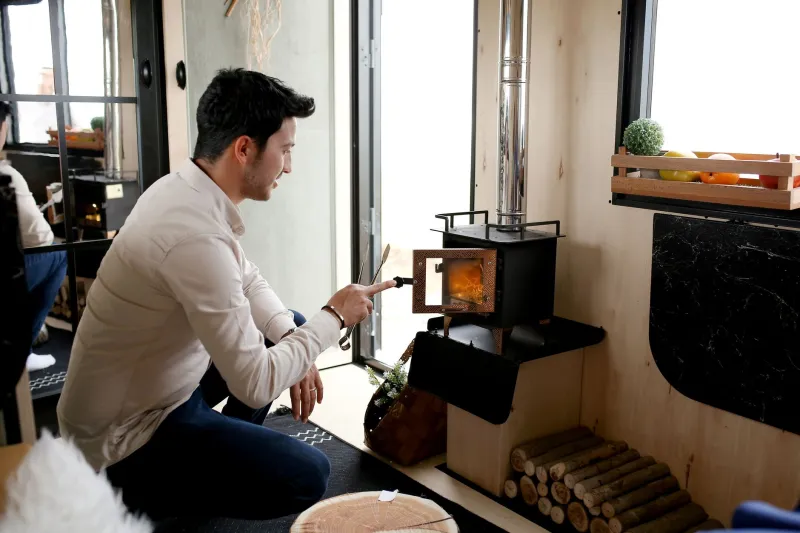
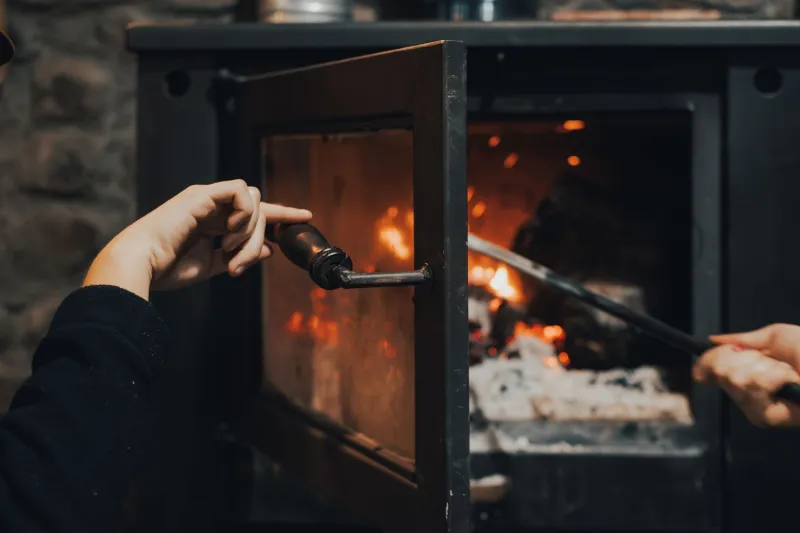
- What's the fire situation? Some sites provide a wood burner inside the tipi and a separate firepit outside; others hand you a bag of logs and wish you luck. Ask whether logs are included, and whether you're allowed a firepit directly on the grass.
- Any shelter from the wind? Orchards are often on exposed slopes. A tipi in a stiff easterly is a different experience to a tipi tucked behind a hedge.
A gentle two-night rhythm
There's no need to over-plan. The whole point is to let the place do the work. That said, a loose shape helps.
Friday: arrive before dark
Aim to get there with an hour of daylight to spare — late-November sun packs up around half four, and pitching in the pitch black is nobody's idea of a romantic start. Get the fire going first, before you unpack anything else. There is something deeply satisfying about a kettle on a wood burner while you're still in your travelling clothes.
Once you're sorted, take a short wander through the rows. Bring a torch and a hip flask. The trees look excellent in twilight, and the quiet is the sort you only really notice when it's gone.
Saturday: windfalls, a walk and a tasting
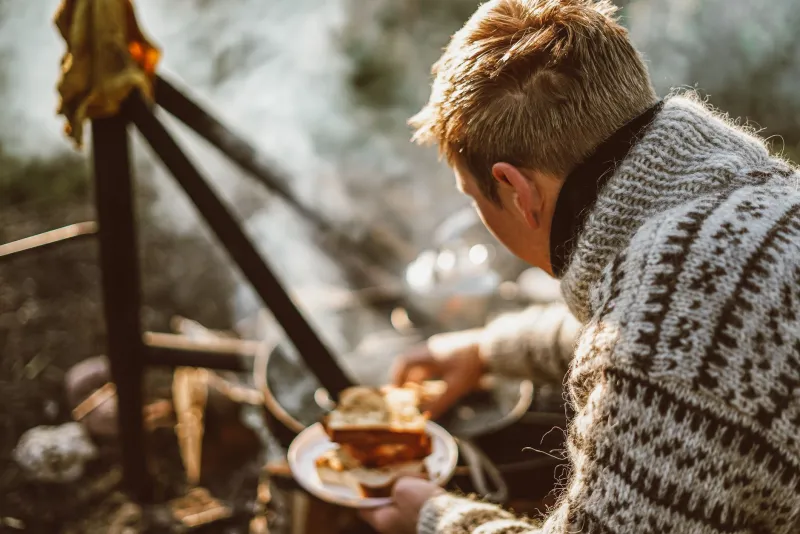
Morning is for a slow breakfast cooked outside — bacon, apples fried in the pan afterwards, coffee from a cafetière you've lugged hopefully across a field. Then walk. Ask the farmer which footpaths lead off the site; most orchards back onto decent lanes and the odd pub within a reasonable amble.
Book a pressing-shed tour if it's running. Even if it isn't, ask whether you can buy a bottle or two to take back to the tipi. A tasting flight by the fire after dark is the bit people remember: three or four ciders lined up on a crate, a blanket over your knees, the fire doing its thing. Bring proper glasses if you can — it makes the whole business feel less like camping and more like a treat.
Sunday: don't rush off
Have a second fire. Read something. Walk the perimeter one more time with a mug in hand. Late checkout is worth asking about when you book; many small sites are flexible in the off-season, and a slow Sunday morning is half the reason you came.
What to pack when the forecast says frost
Orchard tipis on a cold night are snug if you work at it, and grim if you don't. Pack accordingly:
- A hot water bottle each. Non-negotiable. Fill them from the kettle before bed and tuck them down by your feet.
- Layers, not one big coat. Thermals, a fleece, wool socks, a hat you don't mind sleeping in.
- Two pairs of boots. One for the orchard, one for the tipi. There is no floor quite as cold as one you've tracked mud onto.
- A proper torch or headtorch each. Phone torches are useless out here.
- A rug or thick blanket for the groundsheet. It makes an enormous difference to how warm the space feels.
- A flask. For the walk, for the fire, for the moment you can't be bothered to boil the kettle again.
- Something waterproof to sit on. Frosty benches are not your friend.
A word on the apples
Don't help yourself to windfalls from the trees unless you've been told it's fine — most farms are relaxed about it, but some sell the drop for juice and it's their living. If you are allowed, take a bag and cook them down with a bit of sugar and cinnamon over the fire. It's a small thing, but eating apples you picked an hour earlier, sitting in an orchard, next to someone you like, is exactly the sort of memory a tipi weekend is for.